
Second CARRS Conference at IIT Roorkee
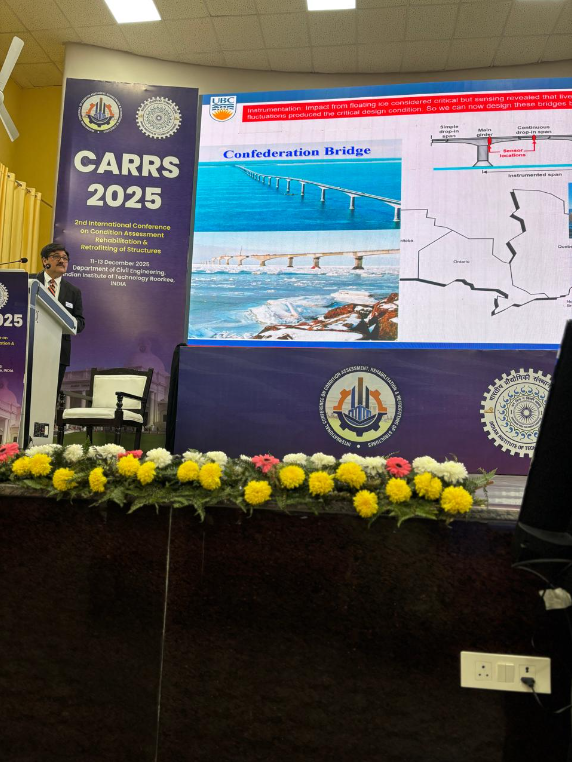
From December 11 to 13, IIT Roorkee successfully organised the Second CARRS Conference,bringing together leading experts and stakeholders to discuss advancements in resilient andsustainable infrastructure systems. Dr. Banthia, CEO and Scientific Director of IC-IMPACTS and Killam Professor at the Universityof British Columbia, was invited as the Guest of Honour for the conference. Dr. Banthia also […]
Dr. Banthia, CEO and Scientific Director of IC-IMPACTS, was invited as a Plenary Speaker at the ACECON 2025 Conference
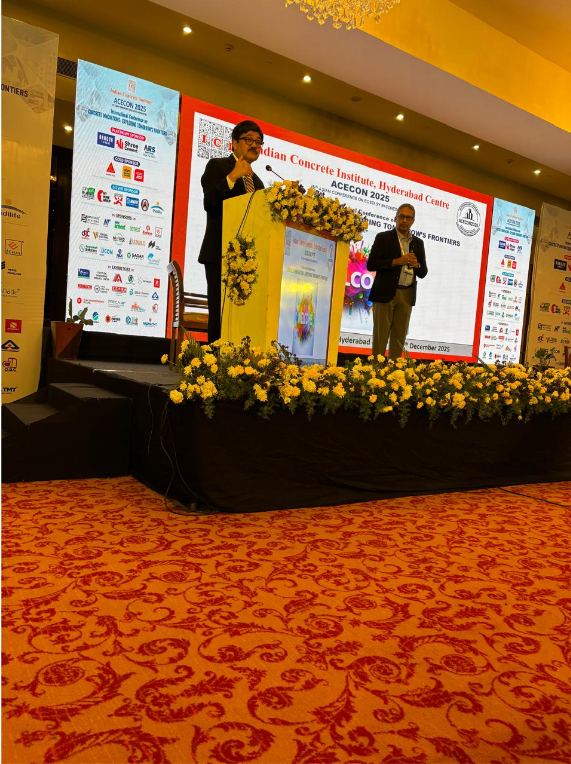
Dr. Banthia, CEO and Scientific Director of IC-IMPACTS, was invited as a Plenary Speaker at the ACECON 2025 Conference held in Hyderabad from December 8 to 10, where he delivered an insightful and impactful talk titled “Strategies for Reducing Life Cycle Carbon Emissions in Our Built Environment.” His presentation highlighted innovative approaches and practical strategies […]
Joint Workshop at IIT Delhi on Next-Generation Hazard-Resistant Infrastructure
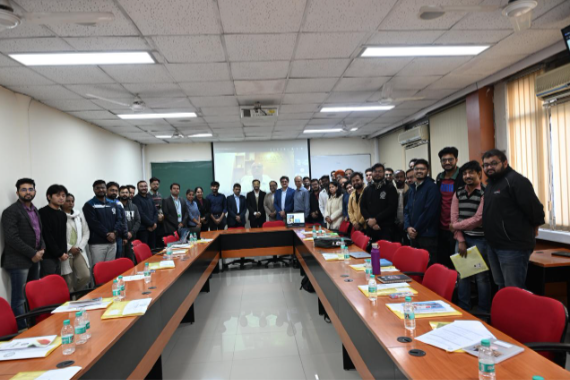
A joint one-day workshop was successfully organised by SPARC–CDRI–IC-IMPACTS at IITDelhi on December 10, focusing on “Designing the Next Generation of Fire and HazardResistant Infrastructure Materials, Modelling and Emerging Trends.” The workshop brought together experts, researchers, and practitioners to deliberate oninnovative materials and advanced modelling approaches aimed at enhancing the resilience ofinfrastructure against extreme events […]
Annual Reports
View View View View View View View View View View View View View View View
GBM-CLIMPACT: Development of an end-to-end modeling and analysis toolset to assess climate impact and readiness of water sector in the Ganga, Brahmaputra, and Meghna basins
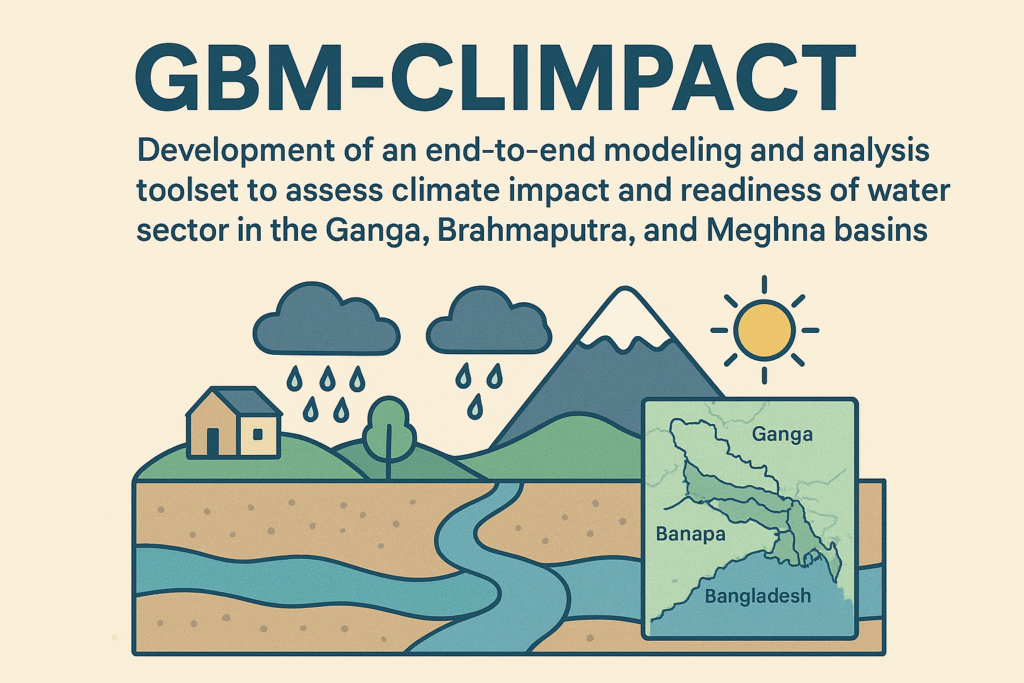
Canadian PI: Dr. Martyn Clark Canadian Institution: University of Saskacthewan Indian PI: Dr. Manabendra Saharia Indian Institution: Indian Institute of Technology (IIT) Delhi Project Summary: The Ganga, Brahmaputra, and Meghna (GBM) is inhabited by 700 million people and is of vital concern for the 5 countries these rivers encompass. Melting of glacier/snow, planned and existing […]
Use of deep learning models to understand the impact of climate and land use changes on future groundwater resources, with a focus on data scarce regions.
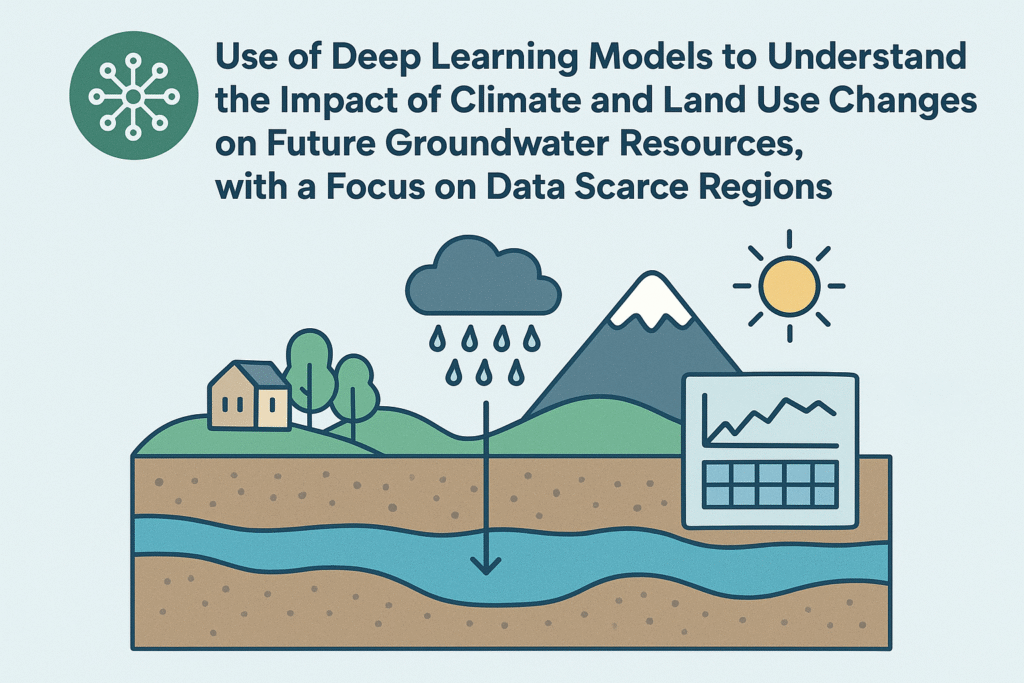
Canadian PI: Dr. Jan Franklin Adamowski Canadian Institution: Mcgill University Indian PI: Dr. R.Maheswaran Rathinasamy Indian Institution: Indian Institute of Technology (IIT) Hyderabad Project Summary: One of the Earth’s greatest freshwater reserves, GW contributes one-third of the world’s available water. Groundwater has long been supporting humans and ecosystems in the world’s arid and semi-arid regions. […]
Machine learning methods for water quality estimation and control in water resource recovery facilities: Towards Circular Economy and Sustainability
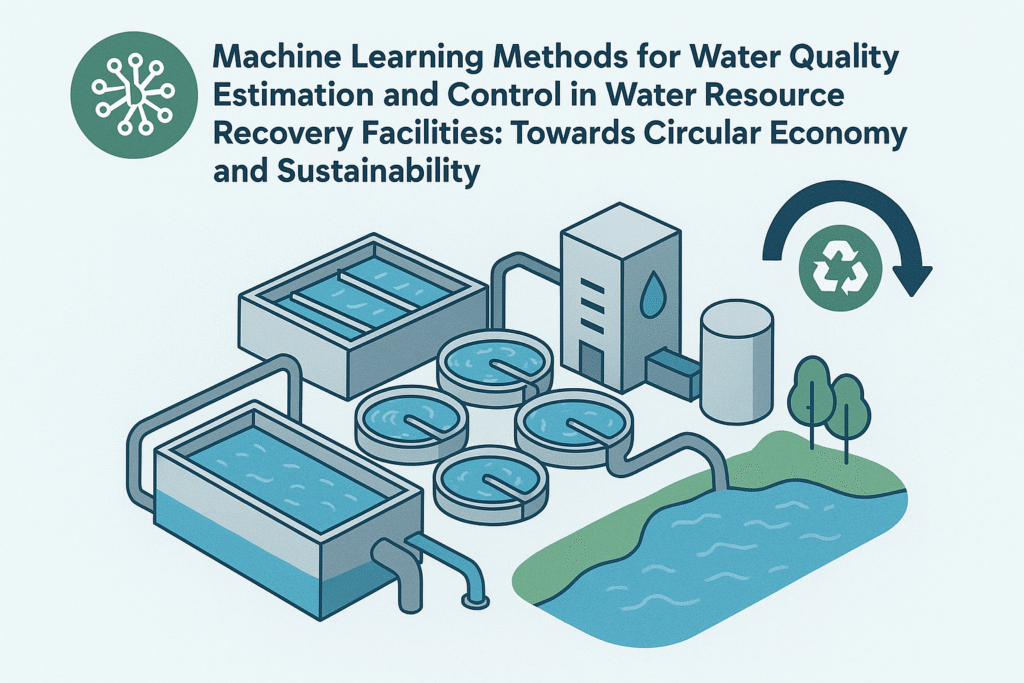
Canadian PI: Dr. Peter Vanrolleghem Canadian Institution: Université Laval Indian PI: Dr. Seshagiri Rao Ambati Indian Institution: Indian Institute of Petroleum and Energy (IIPE) Project Summary: The efficiency of current wastewater treatment plants (WWTPs) is threatened by abrupt changes in the wastewater, strengthened environmental protection goals and is not reaping the benefits of the potential […]
Climate change impacts on the riverine thermal and flow environments under diverse climates of India and Canada

Canadian PI: Dr. Taha Ouarda Canadian Institution: Institut national de la recherche scientifique (INRS) Indian PI: Dr. Shaik Rehana Indian Institution: International Institute of Information Technology (IIT) Hyderabad Project Summary: River water bodies serve as prominent water sources for various purposes including waste load allocation and climate change is the most important driving force affecting […]
Reconfigurable platform for rapid autonomous quantification of pathogens in wastewater using PCB electrode-based assays

Canadian PI: Dr. Richa Pandey Canadian Institution: University of Calgary Indian PI: Dr. Siddharth Tallur Indian Institution: Indian Institute of Technology (IIT) Bombay Project Summary: Whilst limiting close human contact and social activity were highly effective in reducing transmission levels of virus outbreaks before vaccines were widely available, these measures were difficult to meaningfully implement. […]
Phosphorous Recovery from Wastewater for Safeguarding Global Phosphorous Sustainability and Food Security: Denitrifying Phosphorous Accumulating Organisms (DPAOs) have the Merits.

Canadian PI: Dr. Qiuyan Yuan Canadian Institution: University of Manitoba Indian PI: Dr. Prangya Ranjan Rout Indian Institution: Thapar Institute of Engineering Technology Project Summary: Phosphorus, a critical plant nutrient is produced through mining of phosphate rocks, which is a non-renewable natural resource. It is predicted that after a couple of decades, the phosphorous supply […]